Power Steering Control Module
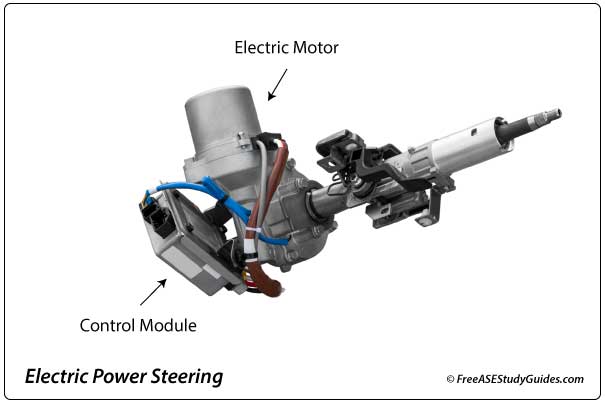
The engine control module sets DTC P0562 and illuminates the MIL when system voltage falls below its calibrated threshold, typically around 10–11 volts. Once voltage drops this low, every control module on the CAN bus is affected. Modules such as the Power Steering Control Module (PSCM) will enter a reduced‑output mode or shut down entirely to protect internal circuitry.
Heavy Steering

As system voltage continues to fall, network communication becomes unstable, leading to loss of sensor inputs, erratic module behavior, engine stalling, and heavy steering effort due to PSCM shutdown. Low system voltage is therefore not just a battery or charging issue—it’s a condition that can cascade across the entire vehicle network.
Weak or Aging Battery
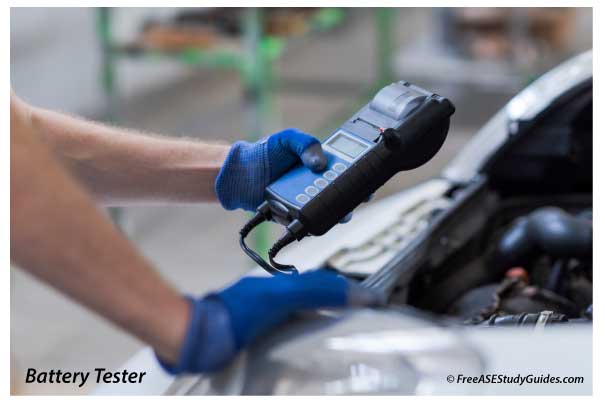
Low‑voltage abnormalities are most commonly caused by a weak or aging battery, loose or corroded connections, or a failing alternator. When system voltage drops below threshold, the engine control module will set P0562 and illuminate the MIL. A proper diagnostic approach begins with battery load testing, alternator output testing, and a voltage‑drop inspection of all primary power and ground connections, including battery terminals.
Reduce Assist or Shut Down
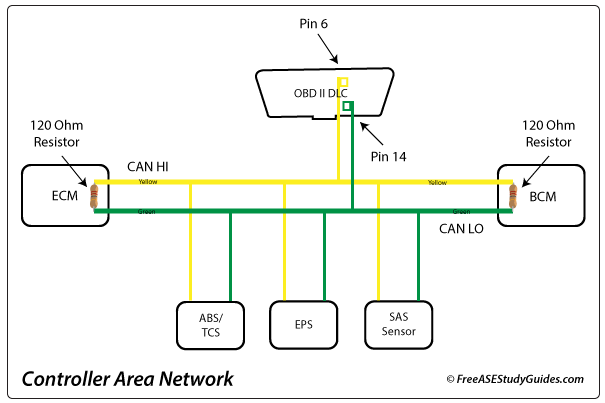
Control modules on the CAN network depend on stable voltage to operate correctly. As the battery deteriorates or connections develop resistance, modules may behave erratically or shut down entirely. Electric power steering systems are especially sensitive because the steering motor requires high current to deliver assist. When voltage falls below the module’s operating threshold, the Power Steering Control Module (PSCM) may reduce assist or shut down, resulting in heavy steering and multiple warning lights.
Internal Circuitry
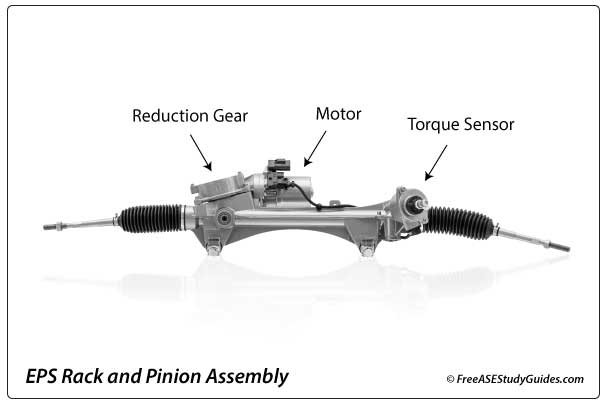
Some PSCMs—particularly those mounted directly on the steering rack—are also vulnerable to water intrusion. Moisture entering past the rack seal can corrode or short the internal circuitry, often requiring replacement of the entire rack‑and‑pinion assembly.
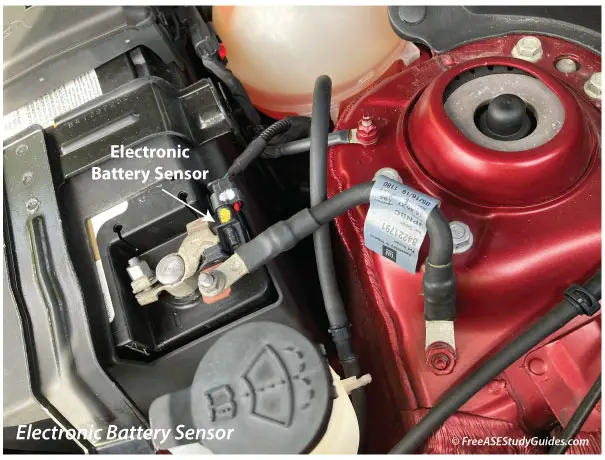
Modern vehicles are highly voltage‑dependent, and even brief drops in system voltage can trigger warning indicators, cause modules to reset, or lead to engine stalling. Ensuring the charging system, battery, and all high‑current connections are in proper condition is essential to preventing these cascading electrical faults.
Failing Alternator
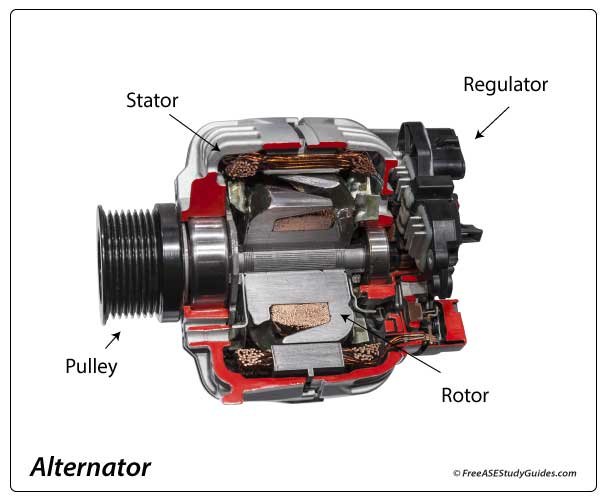
A weak or failing alternator can produce some of the same symptoms as a deteriorating battery. With the engine running, alternator output should typically measure 13.5–14.5 volts. Any reading outside this range warrants further testing. Always refer to the vehicle manufacturer’s service information for TSBs or model‑specific charging‑system procedures, as many late‑model vehicles use smart charging strategies that intentionally reduce alternator output to improve fuel efficiency. Because of these smart charging systems, alternator voltage may vary depending on load, battery state of charge, and PCM command. This makes proper testing essential—never assume low voltage is caused by a component failure without verifying system behavior against OEM specifications.
Electrical Faults
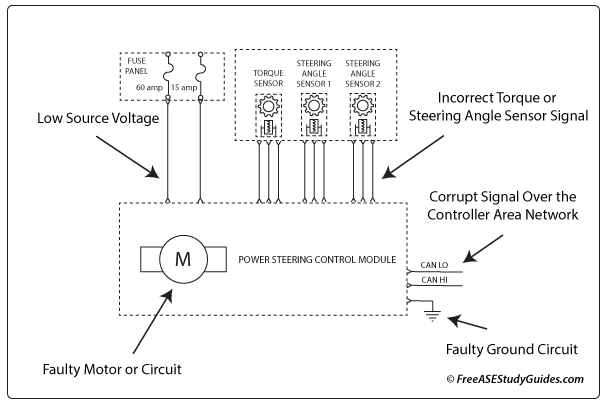
A faulty connection, a bad fuse, or compromised wiring to the EPS Control Module can deprive it of the voltage and current it needs to operate, leading to intermittent resets or complete system shutdown. Common contributors include loose or corroded battery terminals, damaged wiring, and poorly seated connectors, all of which introduce resistance and cause unstable or low system voltage.
Chassis and engine ground circuits are equally critical. Loose, corroded, or damaged grounds increase circuit resistance, disrupt reference voltages, and create voltage‑drop conditions that affect every module on the network. Even a single high‑resistance ground point can cause widespread electrical faults, erratic module behavior, and communication issues across the CAN bus. Code P0636 Low Source Voltage indicates the power steering control module is not receiving the necessary voltage to function correctly. This could be caused by the fuse, the harness, or a loose or corroded connector.