Transmission Range Sensor

The Neutral Safety Switch and the Transmission Range Sensor are protection devices that prevent starter operation in all gears other than Park and Neutral. The sensors are a member of the starter control circuit and inform the TCM of the current gear selection. Use a high impedance 10 megohm digital multimeter to check voltage and resistance on the TR sensor.
Voltage should be present at this switch when the ignition switch is turned to the start position. With any gear position other than Park or Neutral (R, D, D1, D2), the starter circuit is open, and voltage is prevented from engaging the starter motor.
If there's a no-start condition, the switch can be tested using a voltage meter. Back probe the "voltage out" wire while someone turns the ignition. Check for battery voltage at the wires leading to the starter circuit in the Park and Neutral positions. If voltage is coming into this switch and no voltage is coming out in the Park and Neutral positions, replace the neutral safety switch. The neutral safety switch often has the backup lamp incorporated in its design.
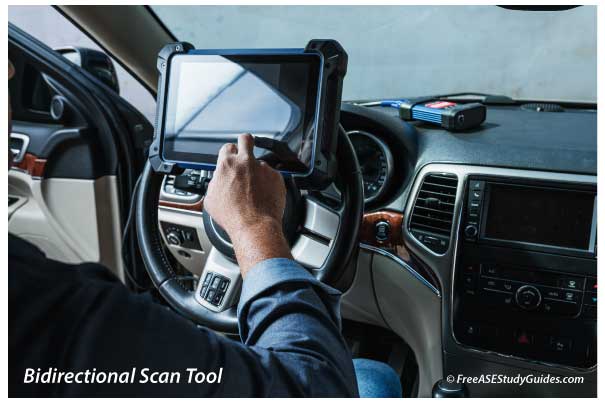
The Transmission Range Sensor is part of the transmission computer control system on late-model vehicles. It can be analog or digital. Both of these are diagnosed with a scan tool. An analog transmission range sensor has a series of resisters that reduce the voltage signal returned to the PCM and can be tested for proper resistance with an ohmmeter.
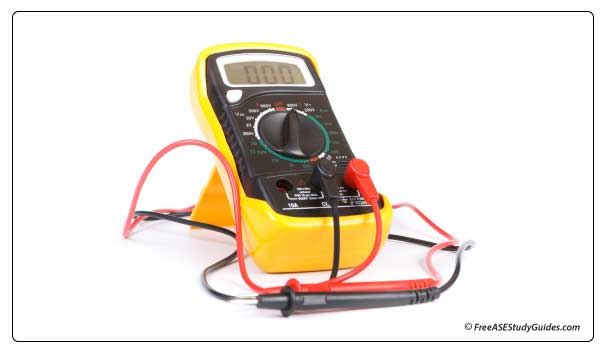
Resistance measurements are compared to the manufacturer's specifications. A faulty neutral safety switch or transmission range sensor will result in a no-start condition, a stuck ignition key, and no backup lamp operation.