OBD II Enhanced Evaporative Emissions
Older models came with a basic EVAP system. Today's vehicles have an enhanced EVAP system. The EVAP system protects the environment from excessive vapor release (hydrocarbons). It prevents excess vacuum and vapor buildup in a sealed fuel tank system. Enhanced systems also monitor operation, run tests, and set a fault code if a problem is detected.
Enhanced Evaporative Emission Test
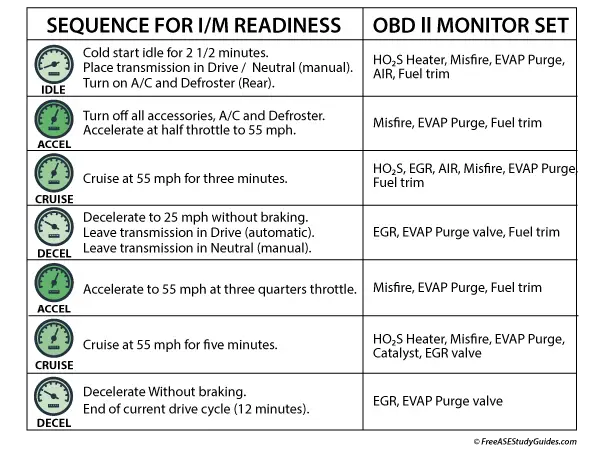
After the vehicle has completed a drive cycle, the enhanced EVAP system can run a vacuum or pressure test to inform the ECM of any leak greater than 0.020 (0.5 mm). It runs a large leak test before a small leak test.
Evaporative Emissions Leak Detected

A P0457 gross leak detected code is often the result of the vehicle's operator not tightening the refueling cap correctly after refueling. The same is true for the P0455 large leak fault code. A loose gas cap is not the only possible cause but is undoubtedly the most likely. For example, a cracked or loose hose faulty gas tank seams can also cause a significant leak in the sealed tank system.
The ECM runs a large leak test when it receives a signal from the fuel level sensor indicating an increase in fuel level (after refueling). If the fuel filler cap is left loose, the ECM sets a code and illuminates the MIL to warn the driver of the situation.