Overheated Catalytic Converter
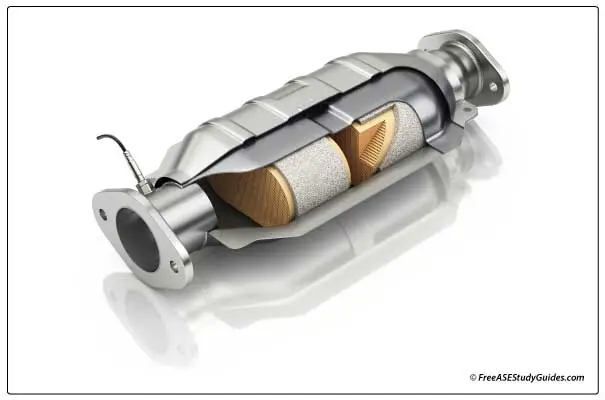
An overheated catalytic converter is often the result of excess hydrocarbon (HC) in the exhaust stream. Unburned fuel enters the catalytic converter and then burns, creating intense heat. Excess unburned fuel in the exhaust is the most likely cause of a clogged or damaged catalytic converter substrate.

Misfire: Anything that causes a misfire or excess hydrocarbon (HC) in the exhaust will result in catalytic converter overheating. Check the distributor, sparkplug wires, and sparkplugs in distributor ignition systems. With today's EI distributor-less and COP ignition systems, check the coils, sparkplugs, associated wiring, and the ECM.
Fuel Injectors
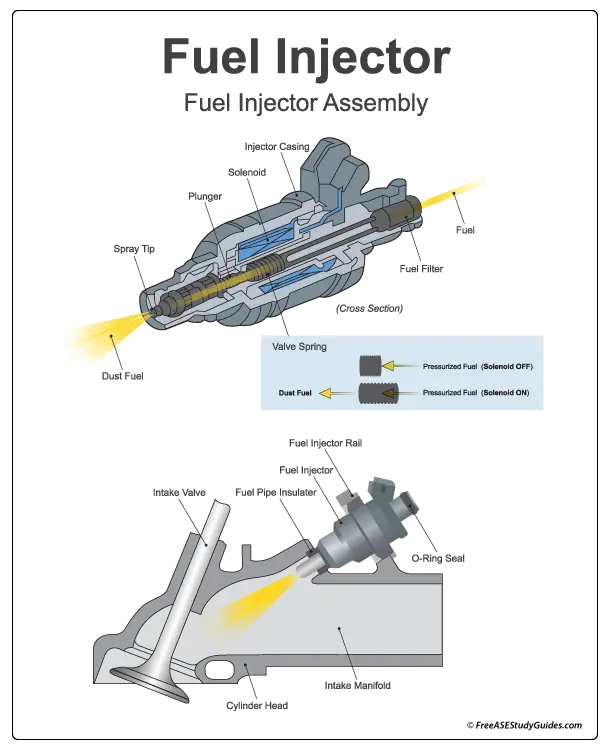
Fuel Injectors: Leaking or dripping fuel injectors result in unburned fuel entering and burning inside the catalytic converter. This excessive fuel in the converter results in overheating and melting of the substrate. A clogged fuel injector will result in a lean burn. Lean burn occurs when there's too much air in the combustion chamber, resulting in a misfire and excess hydrocarbon (fuel) entering and burning inside the catalytic converter.
Oxygen Sensors
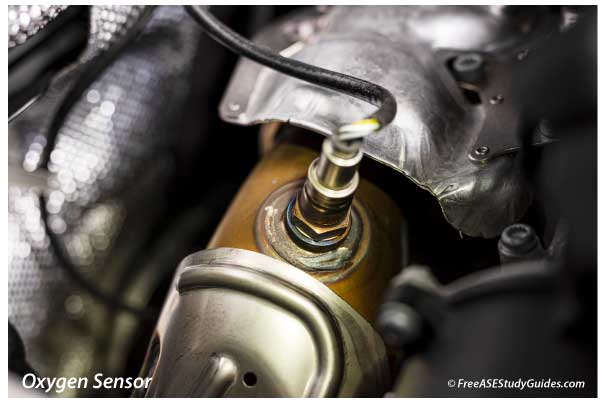
An oxygen sensor collects information regarding oxygen content in the exhaust stream and sends a voltage signal to the ECM. The ECM uses this input to adjust the air-fuel ratio.
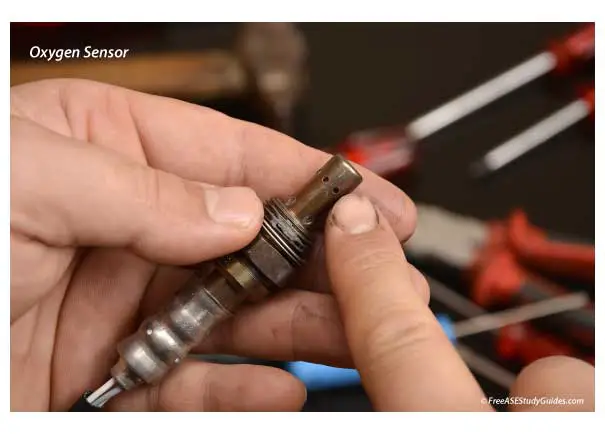
Damage to the catalytic converter can result from a faulty O2 sensor sending a corrupt voltage signal informing the ECM to enrich the air-fuel mixture.
